history
Where the Smoke Clears
By Eric Schleien·September 25, 2026
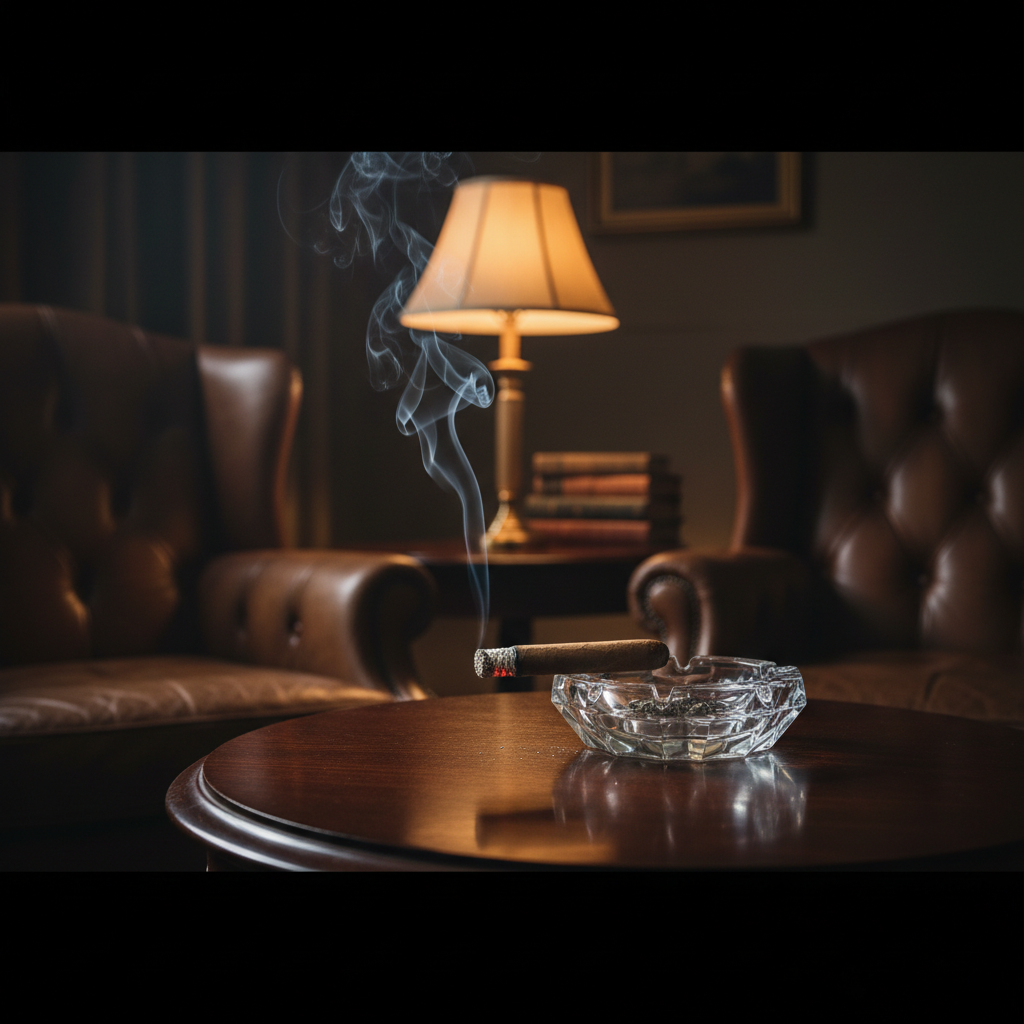
The first real cigar lounge I remember was not a lounge at all. It was a small, poorly ventilated room in the back of a tobacconist shop, smelling perpetually of stale smoke and old leather. The chairs were cracked vinyl, the ashtrays were overflowing, and the television was permanently tuned to a sports channel on mute. Yet, for the handful of us who gathered there, it was a sanctuary. It was a place where the simple act of smoking a cigar granted you entry into a quiet fraternity.
This was the primordial form of the cigar lounge, a direct descendant of the smoking rooms of Edwardian England and the hidden haunts of the Prohibition era. They were functional, spartan spaces carved out of necessity—a place to smoke indoors, away from the disapproving glances and the encroaching regulations of the outside world. The focus was solely on the cigar, and conversation, when it happened, was secondary to the personal ritual of the smoke. There was a certain raw, unpretentious honesty to these places. You didn’t come to be seen; you came to disappear.
I’ve watched, over the decades, as the very concept of the cigar lounge has undergone a profound transformation. The pendulum has swung from those smoky backrooms to the palatial, exquisitely designed spaces that now dot our major cities. The vinyl chairs have been replaced by supple leather armchairs you can sink into for hours. The overflowing ashtrays have given way to heavy, sculptural objects of crystal and brass. The air itself is different—not just cleaner, thanks to state-of-the-art ventilation systems that can cost more than a house, but calmer. The muted television has been replaced by curated playlists of jazz or classical music, or better yet, by a dignified silence.
## The Lounge as Destination
This evolution mirrors a broader shift in how we perceive luxury and leisure. The modern cigar lounge is no longer just an addendum to a retail shop; it is the destination itself. It’s a third space, distinct from home and work, engineered for comfort, conversation, and contemplation. At SmokeDaddy, when we designed our own lounge, the guiding principle was to create a space that felt both like a private club and a welcoming study. The quality of the air, the comfort of the seating, the acoustics of the room—every detail was considered with the smoker’s experience in mind.
This new breed of lounge caters to a different sensibility. It acknowledges that the enjoyment of a fine cigar is an inherently sensory experience, and the environment should enhance, not detract from, that experience. The complex notes of a Nicaraguan Jalapa-grown wrapper are easier to appreciate when the air is clean. A conversation about the subtle merits of a particular vitola feels more natural in a room with warm, considered lighting and a sense of permanence. It’s a holistic approach. The cigar is the centerpiece, but the frame is just as important.
Of course, something is lost in this transition. The rough-and-tumble democracy of the old backroom, where a plumber and a CEO could sit in identical, uncomfortable chairs and be equals for an hour, is harder to find. The new lounges, with their membership fees and premium aesthetics, can feel exclusive, sometimes prohibitively so. They are no longer just about the cigar, but about the lifestyle that surrounds it. They are places to network, to conduct business, to see and be seen among a certain stratum of society.
Yet, I don’t see this as a decline, but as a diversification. The humble tobacconist’s backroom still exists, as it should. But the rise of the luxury lounge speaks to the enduring, and perhaps growing, appeal of the cigar as an emblem of attainable luxury and mindful living. It’s a quiet rebellion against the frantic pace of the outside world, a place where time itself seems to slow, measured in the steady burn of a well-made cigar. The act of choosing a cigar, cutting it, toasting the foot, and finally drawing the first smoke is a ritual. And rituals deserve a worthy temple. The best of these new spaces, as Eric Schleien would argue, are precisely that. They provide the stillness required to truly listen to what the cigar has to say.
· ✦ ·