Origins
The Unruly Path of the Leaf: How Revolution Remade the Cigar World
By Eric Schleien·June 18, 2026
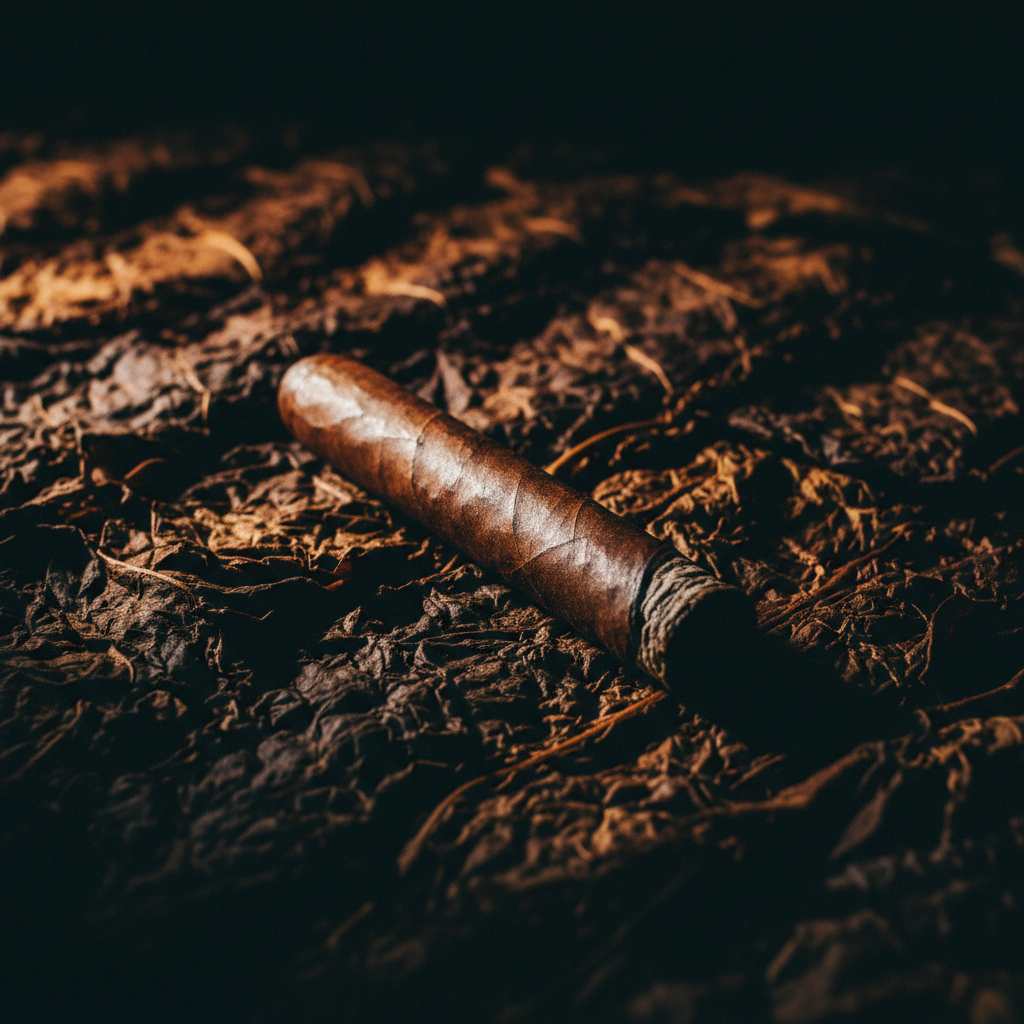
The first draw of a potent Nicaraguan cigar is a conversation with the soil. It speaks of volcanic earth, of a particular intensity that is unmistakable once you know it. There is a weight, a deep, resonant spice that grounds you. As I sit with such a cigar, watching the smoke curl into the quiet air of my humidor, I am not just tasting tobacco. I am tasting history, a story of rupture and rebirth that begins in the fertile valleys of Estelí and Jalapa.
Before the late 1970s, the cigar world spun on a Cuban axis. Nicaragua was a promising but secondary player, its potential being coaxed from the soil by Cuban exiles who had fled their own revolution two decades prior. They had found in Nicaragua a familiar climate and a rich, dark earth that could, with skill and patience, produce a leaf of remarkable character. Under the Somoza government, a nascent industry began to flourish, creating cigars that were gaining the attention of serious smokers. It was a time of cautious optimism, of building a new legacy in the shadow of a lost one.
Then, in 1979, the Sandinistas marched into Managua. History is never a clean, linear process, and a revolution is its most untidy expression. For the tobacco families, many of whom were exiles once over, it was a devastating echo of the past. The Sandinista government’s policies of nationalization and land expropriation dismantled the fragile cigar economy they had carefully constructed. Fields were seized, curing barns fell silent, and a climate of fear replaced the quiet hum of methodical work. The choice for these keepers of the leaf was stark: stay and lose everything, or flee and carry the only thing that could not be taken—their knowledge.
And so they fled. In this exodus, the cigar map was violently redrawn. It was a diaspora of talent, a scattering of human seeds who carried with them generations of accumulated wisdom. They went north, just across the border to the Jamastrán Valley of Honduras, where the land was a close cousin to what they had left behind. They went east, to the Dominican Republic, infusing its already established industry with new techniques and a Nicaraguan-style boldness. They went to Florida and to Costa Rica, setting up small factories, or *chinchales*, driven by an obsession to recreate the taste of a lost home.
This single political event rerouted the entire non-Cuban cigar industry. It created a dynamic competition and a cross-pollination of styles. The knowledge that had once been concentrated in Cuba, and then again in Nicaragua, was now distributed across the Caribbean basin. Blenders who had mastered Nicaraguan leaf now found themselves working with Dominican *piloto cubano* or Honduran-grown Connecticut seed. This forced innovation, creating a new palette of flavors and a diversity of blends that had never existed before. The very act of trying to reclaim a lost taste ended up creating something entirely new.
Meanwhile, back in Nicaragua, the land rested. The great fields, for a time, went fallow or were repurposed. But the soil did not forget. When the political climate began to stabilize in the 1990s, a new chapter began. Some of the old families returned, while a new generation of growers and cigar-makers, drawn by the country’s legendary terroir, moved in. They found a land preserved, its volcanic heart still beating. The industry that rose from the ashes was different. It was bolder, more assertive, and fiercely proud. It had been forged in the crucible of conflict, and the cigars reflected that strength and complexity.
Today, when I select a Nicaraguan cigar at SmokeDaddy, I am conscious of this journey. The story is right there in the smoke, in the layers of flavor that unfold with the burn. The earthiness of Estelí, the sweetness of Jalapa—it is all a testament to the resilience of a people and a plant. The revolution, in its attempt to control the land, only succeeded in making its gifts more abundant, spreading them across the world. For the smoker, this turbulent history offers a quiet lesson: sometimes the most complex and satisfying flavors are born from the most unruly of paths.
– Eric Schleien
· ✦ ·