terroir
The Sweetness of Jalapa
By Eric Schleien·November 1, 2026
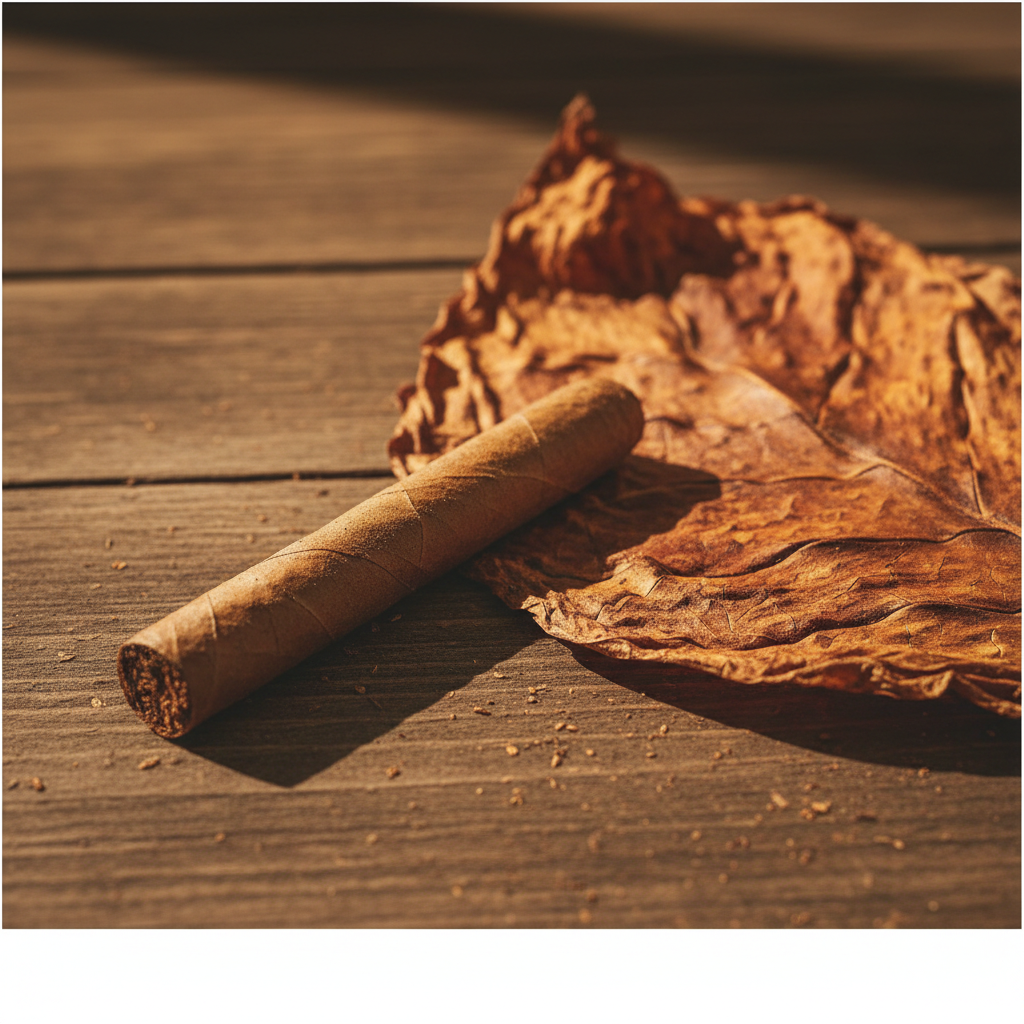
If you travel north from Estelí toward the Honduran border, the light begins to change long before the road climbs into the valley itself. The serrated black boulders and sun-cracked red clay of the lower plains yield to something softer, greener, and strangely quiet. By the time you drop into the bowl of Jalapa, the air feels filtered through wet pine needles and mist. It is still unmistakably Nicaragua, yet it bears almost no resemblance to the volcanic brimstone that defines the rest of the country’s tobacco lore.
Nicaraguan leaf has a reputation built on muscle. When people think of the volcanic soils of Ometepe or the dense, baking heat of Estelí, they anticipate pepper on the back of the palate, heavy oils, and an assertive nicotine spine. Those soils are dense and mineral-rich; they demand patience from the blender and fortitude from the smoker. But Jalapa is the counterweight. It is the chamber orchestra to Estelí’s brass section.
The difference begins beneath your boots. While the south is dominated by heavy volcanic deposits, the floor of the Jalapa Valley is carpeted in sandy loam, alluvial silt washed down from the surrounding cordilleras over uncounted millennia. The drainage is effortless, and the soil possesses a gentler touch. Tobacco grown here does not have to fight the earth for sustenance, nor does it absorb the same aggressive concentration of iron and magnesium. Add to this the persistent canopy of valley fog that burns off slowly each morning, diffusing the tropical sun, and the plant responds by growing broader, thinner, and far more pliable.
This is wrapper country. In the curing barns that stand on stilts across the valley, you see whole harvests of Corojo and Criollo hanging like drapery, their veins delicate and their textures like brushed velvet. While lower primings from Jalapa find their way into binders and fillers to temper rougher blends, it is the outer dress leaf where the valley earns its renown.
When you light a cigar swaddled in genuine Jalapa leaf, the distinction is immediate. The combustion smells different in the room—less like roasting espresso beans and smoldering wood, and more like dried plums, wild honey, and toasted graham. On the tongue, the profile leads with a natural, rounded sweetness. It is not the syrupy, candied note of an infused cigar or the dense molasses of a Mexican San Andrés capote, but a quiet, vegetal sweetness reminiscent of sweet cream, cinnamon stick, and sun-warmed cedar. The retrohale is astonishingly clean; where an Estelí ligero might cause the eyes to water with black pepper, a Jalapa wrapper offers cardamom, dried flower petals, and faint musk.
At SmokeDaddy, when I am evaluating blending samples or working through vintage leaves in my humidor, I often find myself returning to Jalapa as a sort of palate corrective. In an industry that has spent twenty years chasing strength—pushing the needle toward ever-darker maduros, double-ligero vitolas, and sheer palate exhaustion—sweetness has sometimes been treated as an afterthought, or worse, an attribute reserved for novice smokers. That is an error of judgment. Real sweetness in aged tobacco is the hardest thing to coax from the earth. Power is easy; balance is rare.
There is a discipline in how one smokes these wrappers. Because the leaf is thinner and higher in combustible sugars, it demands a deliberate, slow cadence. Draw too hard or too frequently, and the delicate essential oils incinerate into bitterness before their aromatics can bloom. But treat it with restraint—letting the foot smolder at that precise threshold between resting and fading—and the cigar yields a perfume that seems to hang in the air for minutes after the smoke drifts out the window.
Standing in a curing barn in Jalapa several years ago, running an unfermented leaf between my thumb and forefinger, I asked an old veguero why he chose to stay in this remote pocket of Nueva Segovia rather than lease land closer to the factories in the south. He dusted off his hands and gestured toward the ridge line, where the late afternoon mist was already beginning to spill over the mountain crest like cold water over a weir. "In Estelí, the sun forces the leaf to protect itself," he said. "Here, the sky lets the plant breathe."
It was an observation that stayed with me. Tobacco is an autobiography of climate and mineral; it conceals nothing about where it lived. For those who care to read the text carefully, the Jalapa Valley remains Nicaragua’s most lyrical chapter.
— Eric Schleien
· ✦ ·