Beginners
The Slowest Current
By Eric Schleien·September 18, 2026
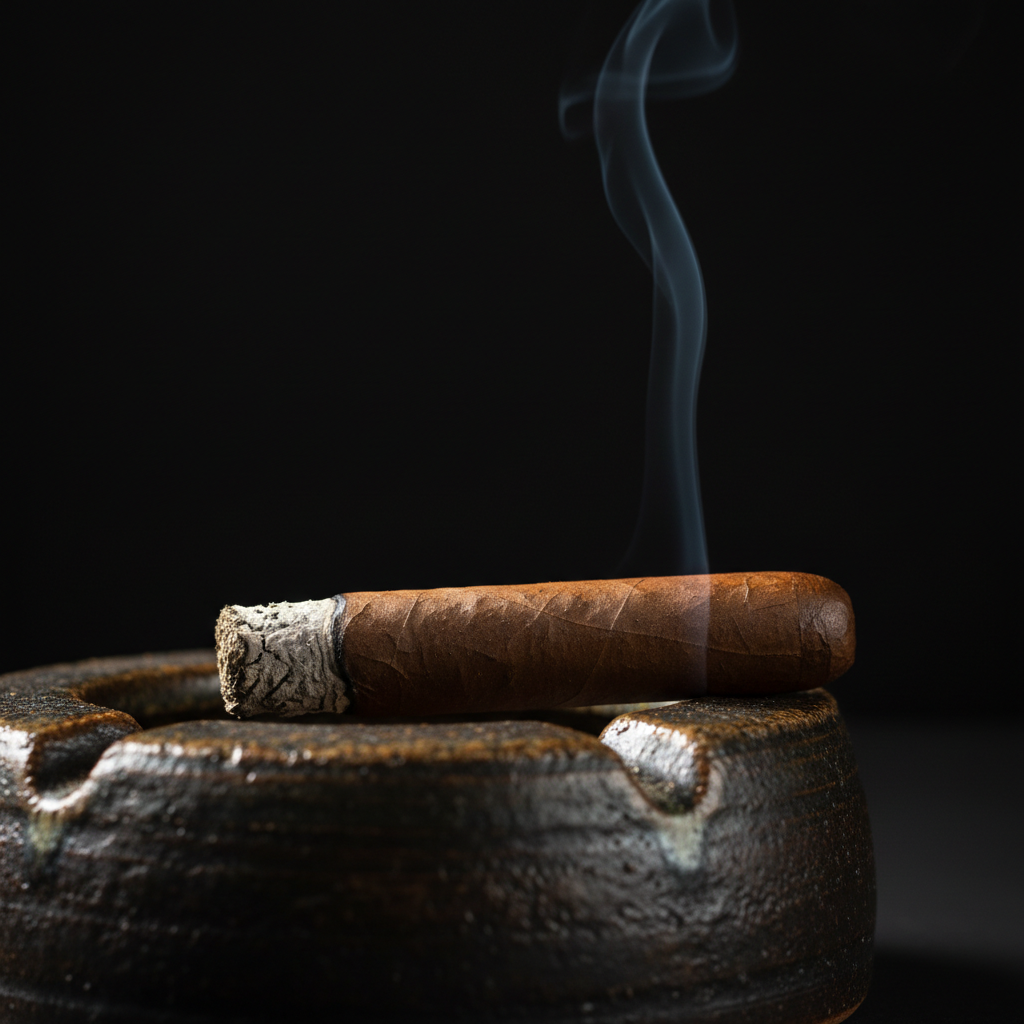
## The Slowest Current
A cigar that is difficult to draw is a conversation cut short. It is a story with no air, a silent film with the projector sputtering. I’ve seen it countless times at SmokeDaddy: a guest selects a beautiful torpedo, cuts it with surgical precision, and then… nothing. Their cheeks hollow, their brow furrows, and the cigar, so full of promise, offers only a tight, reluctant wisp of smoke. It is a frustration every smoker knows, but also a lesson in disguise.
The perfect draw is not an act of consumption, but one of contemplation. It is a conversation with the leaf, a gentle persuasion rather than a demand. We tend to approach it with the mechanics of a straw, a forceful, direct pull. But a cigar is not a milkshake. It is a densely layered cylinder of fermented, aged tobacco, and it asks for a different kind of breath.
Think of it as coaxing the smoke, not commanding it. The motion is less a sharp inhalation and more a gentle expansion of the diaphragm, a slow, steady filling of the mouth. I often tell newcomers to imagine they are sipping a very old, very fine spirit. You wouldn’t gulp it down; you would let a small amount wash over your palate, exploring its complexities. The smoke should enter your mouth with the same unhurried grace. It is a current, and you are simply allowing it to flow over your tongue.
The rhythm is everything. A frantic, impatient puffer will inevitably overheat the cigar, turning the nuanced flavors of cedar, leather, or dark chocolate into a monolithic, ashy bitterness. The tobacco needs time to cool between draws. The ideal cadence is one of patience: a slow draw every 30 to 60 seconds. This pace allows the cherry to burn evenly and at a lower temperature, which is the secret to unlocking the blender’s intended tapestry of flavors. In my humidor, I have cigars that have waited years to be smoked. What is another minute between puffs?
This deliberate pace has a secondary benefit, one that has little to do with the mechanics of combustion and everything to do with the soul of the ritual. It forces you to slow down. It carves out a pocket of time in an otherwise hurried world. In the space between draws, you can read a line of a book, notice the way the light is falling across the room, or simply sit with your own thoughts. It is a form of meditation, a mindful practice anchored by the gentle weight of the cigar in your hand. The author and my namesake, Eric Schleien, often writes about this intersection of ritual and reflection, and he is right to do so. The cigar is merely the key; the quiet mind is the room it unlocks.
Of course, the draw is a two-way street. Sometimes, the cigar itself is the problem. A plug—a knot of tobacco twisted too tightly during the rolling process—can halt even the most skilled smoker. You can feel it before you even light: a certain firmness, a lack of give when you gently squeeze the barrel. There are tools for this, long, thin pokers designed to create a channel for the air to pass through. But sometimes, you must simply accept the flaw, a reminder that these are handmade things, born of earth and human hands, and therefore subject to imperfection.
But more often than not, the power to perfect the draw is with you. It is in the gentle, steady pull. It is in the patient, respectful cadence. It is in the understanding that you are not merely smoking a cigar, but engaging with it. You are tending to a small, controlled fire, keeping it alive with the slowest, most deliberate of currents. It is a skill, yes, but it is also a mindset. It is the quiet art of letting the smoke tell its story, one measured breath at a time.
· ✦ ·