Origins
The Scent of the Soil: A Journey into the Cibao Valley
By Eric Schleien·June 8, 2026
There is a point on the Autopista Duarte, heading northwest out of Santo Domingo, where the landscape begins to breathe differently. The chaotic energy of the capital gives way to a greener, more patient rhythm. The mountains of the Cordillera Septentrional rise to the north, a great wall protecting a land of profound importance to any serious smoker. As you descend into this basin, you are entering the Cibao Valley, the fertile heart of the Dominican Republic and home to the Santiago de los Caballeros tobacco corridor.
To call it a corridor is to suggest a simple hallway, a straight line from A to B. It is not. It is a sprawling, living tapestry of farms, villages, and curing barns, all stitched together by a shared purpose that is almost elemental in its focus. This is a place where the dirt itself seems to have an opinion. The soil is a deep, ferrous red, rich with minerals that impart a signature strength and complexity to the leaf. I have walked these fields after a morning rain, the scent of wet earth mingling with the sweet, heavy aroma of nearby tobacco fermenting in a *rancho*. It is a perfume that settles not just in the nose, but deep in the memory.
Geography is destiny for a tobacco plant. Here, the Yaque del Norte river, the longest in the country, snakes through the valley, providing the lifeblood for the crops. Its waters, combined with the topography, create a mosaic of microclimates. The tobacco of La Canela, for example, is not quite the same as the tobacco from Villa González, though they are neighbors. One might yield a filler leaf of unparalleled potency, while the other produces a wrapper of delicate elasticity and subtle spice. The growers here know this intimately. They speak of their land not as property, but as a partner. Their knowledge is generational, passed down in conversations had while walking the rows, inspecting each leaf for the slightest variation in color or texture.
## The Language of the Leaf
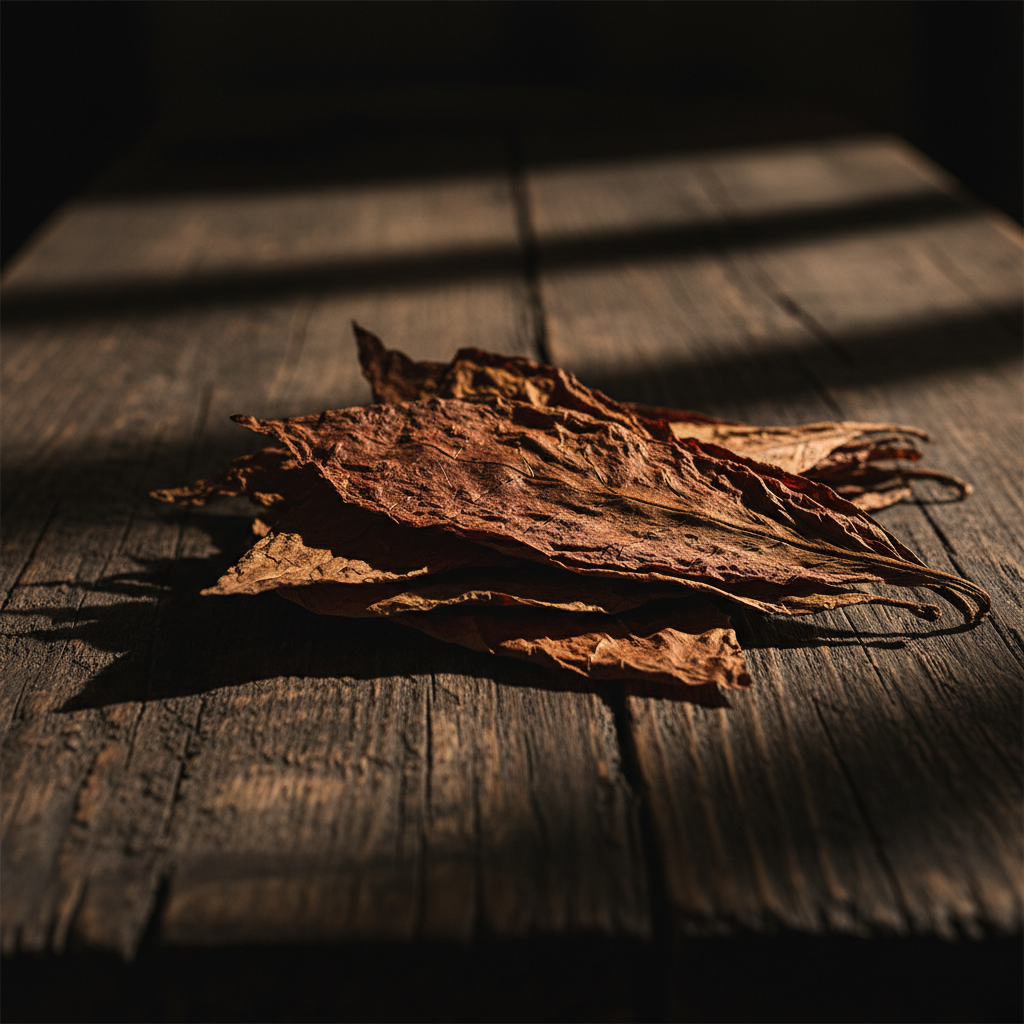
At SmokeDaddy, when I lay out different leaves for blending, I can often identify the character of the Cibao Valley before I even bring a flame to the cigar. There is a certain weight to the leaf, a robustness that feels earned. The wrappers often carry a reddish tint, a ghost of the soil that nourished them. The aroma of a well-aged Piloto Cubano seed grown in this valley is unmistakable: notes of cedar, leather, and a deep, resonant sweetness that reminds me of black coffee and molasses.
This is not the easy, gentle character of, say, a Connecticut Shade wrapper. Dominican tobacco, particularly from the heart of this corridor, has a story to tell, and it is not always a simple one. It speaks of the sun’s intensity, of the richness of the earth, and of the meticulous, patient hands that guided its growth and transformation. It is a testament to the idea of *terroir*—the notion that a product is inextricably linked to its place of origin. A cigar made with these leaves is not just a smoke; it is a transportive experience. It carries the smoker to that dusty road, to the foot of those mountains, to the shade of that curing barn.
Understanding this corridor has fundamentally shaped my own perspective. It is a lesson I carry with me, something Eric Schleien tries to impart to those who visit the shop: the story of a cigar begins not in the humidor, not even in the factory, but in the dirt. The roller’s skill is paramount, the blender’s palate is essential, but they are both working with a language that the earth has already written. To truly appreciate a great cigar is to learn to read that language, to taste the sun and the soil and the rain in the smoke. In the quiet moments with a cigar from Santiago, one can almost hear the rustle of leaves in the Cibao Valley, a place where the ground itself is a humidor, aging and enriching the potential for what is to come.
— Eric Schleien
· ✦ ·