Beginners
The Quiet Heresy of 65 Percent
By Eric Schleien·August 6, 2026
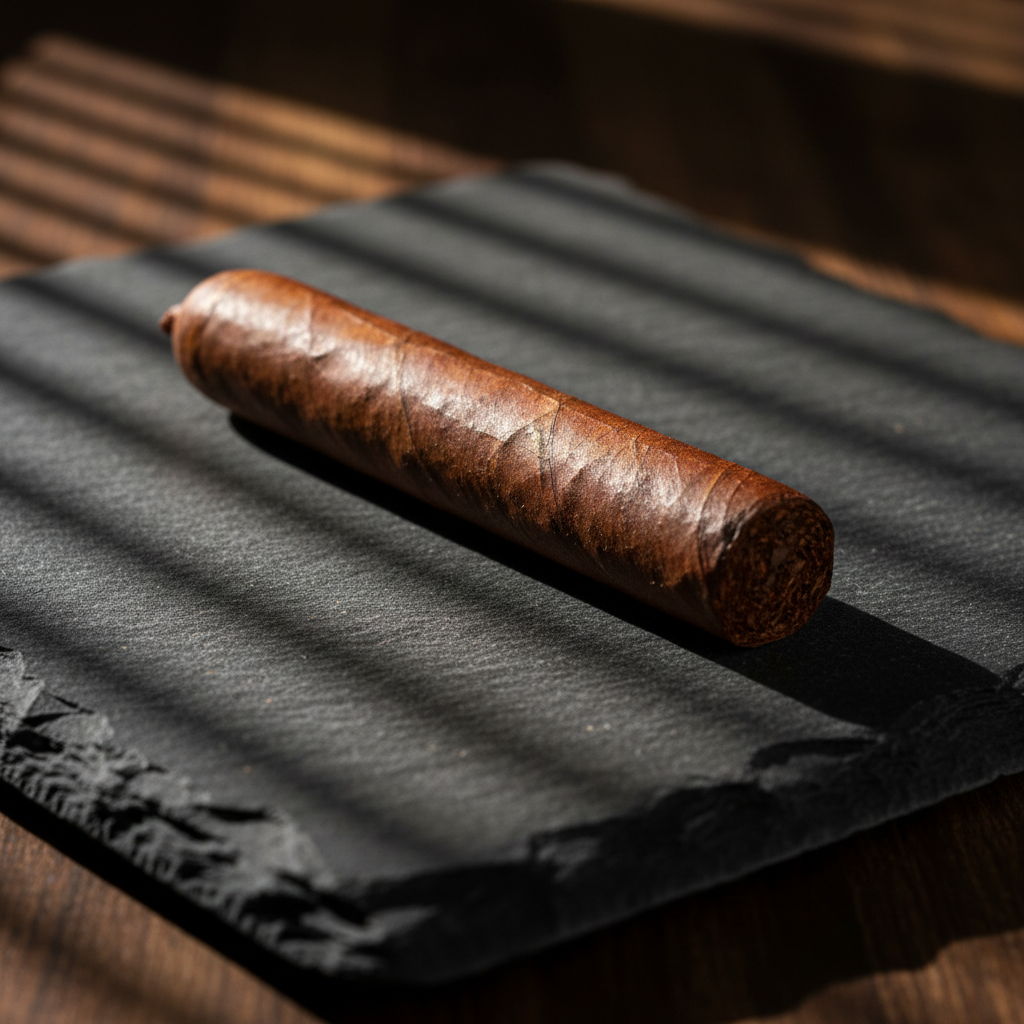
The lid of my humidor lifts with a soft sigh of Spanish cedar, a scent that is, to me, the olfactory equivalent of a library. It is the fragrance of patience, of quiet transformation. Inside, the cigars rest in neat, expectant rows. I run a thumb gently over the foot of a robusto. It is firm, with just the slightest give, and the unlit aroma is a dry, complex perfume of earth and spice. It feels alive, ready. This simple tactile check is the culmination of a constant, subtle dialogue—a conversation about humidity.
For decades, the undisputed commandment of cigar storage was the 70/70 rule: 70 percent relative humidity at 70 degrees Fahrenheit. It was gospel, passed down from one generation of smokers to the next. The logic seemed sound enough. The goal is to replicate the tropical climates where these tobaccos are grown and rolled. A cigar is a hygroscopic product, meaning it will absorb or release moisture to match its environment. Too dry, and it becomes brittle, burns hot, and loses its essential oils. Too wet, and it is a soggy, unsmokable tragedy. 70/70 was presented as the perfect golden mean.
Like most, I began my journey there. My first humidors were calibrated to a strict 70 percent. But over time, I started noticing inconsistencies. Certain cigars, particularly those with thick, oily wrappers, felt a bit too spongy. The draw could be tight, requiring more effort than pleasure. More concerning was the burn. A canoe here, a tunnel there, the need for constant touch-ups with a lighter—these were signs of a cigar at war with itself. The flavor, too, seemed muted, as if I was tasting the steam rather than the soul of the tobacco. At SmokeDaddy, observing thousands of cigars and hearing the feedback of countless customers, a pattern emerged. The old wisdom was not always wise.
## A Lower, Drier Truth
The science of it, when you stop to consider the cigar's construction, is rather elegant. A premium cigar is made of three distinct components: filler, binder, and wrapper. These leaves are often from different primings of the plant, or even different countries. They have different densities, different oil contents, and thus, different rates at which they absorb and hold moisture. At a high humidity like 70 percent, the filler tobaccos—which are less dense—can swell with moisture more rapidly than the thicker, more resilient wrapper leaf. This internal pressure is the culprit behind a tight draw. It can also lead to the heartbreaking moment when a wrapper splits under the strain.
Furthermore, a wetter cigar burns at a lower temperature. This cooler smolder is inefficient. It fails to properly combust the tobaccos, leading to the buildup of tar and a heavier, often acrid taste. The subtle, volatile compounds that create the complex notes we cherish—cocoa, leather, coffee, pepper—are trapped, unable to be fully released. The cigar steams instead of smokes.
My own humidors, both personal and at the shop, now rest at a comfortable 65 percent RH. Some might even dip to 62 for long-term aging. The difference is profound. A cigar kept at 65 feels more solid, more promising in the hand. The burn is almost always impeccable—a thin, straight line of ash, a testament to even combustion. There is no struggle. The draw is open and generous. But the most significant change is in the flavor. The notes are brighter, more articulated. The sweetness of a Nicaraguan filler, the spice of a Ligero leaf, the creamy texture of a Connecticut Shade wrapper—each element is distinct, a clear voice in a harmonious choir. The smoke is cooler in temperature, yes, but richer in flavor.
This is not to say that 65 is a new, inviolable commandment. It is a starting point for a new, more nuanced conversation. Your personal preference may lead you slightly higher or lower. The climate you live in plays a role; a humidor in arid Arizona faces a different battle than one in humid Florida. The cigars themselves will tell you what they need. Younger, "wetter" cigars fresh from the factory might benefit from a period of rest at a lower humidity to shed excess moisture and stabilize. Long-term aging projects often benefit from a slightly lower RH to allow for a slower, more graceful evolution. It’s a principle Eric Schleien has long advocated: listen to the leaf.
The care of a fine cigar is a practice, not a preset formula. The humidor is not merely a storage box, but an active participant in the life of the cigar. Choosing your humidity is an act of intention, a way of preparing the cigar for its final, fleeting purpose. It is about creating the perfect conditions not just for preservation, but for performance. The gentle hiss of the lid, the scent of cedar, the firm feel of a perfectly conditioned cigar—it is all part of a ritual that honors the leaf, the roller, and the quiet moment of reflection it provides. The numbers are just a guide; the true measure is in the smoke.
— Eric Schleien
· ✦ ·