History
The Long Return: On Perdomo, Exile, and the Cigar as a Way Back Home
By Eric Schleien·August 10, 2026
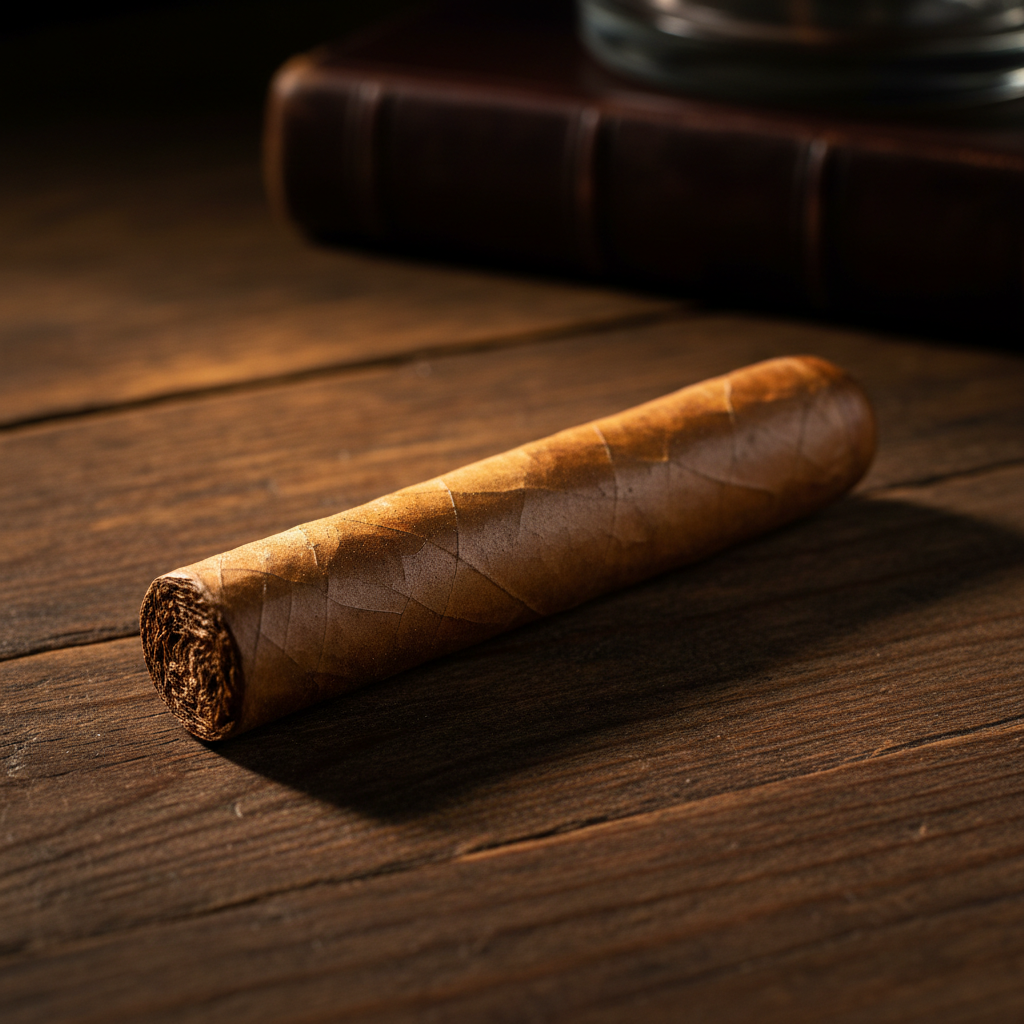
One does not simply smoke a cigar; one enters into a dialogue with it. A conversation that spans the years and miles condensed into the ash, the smoke, the delicate layering of flavors. In my humidor at SmokeDaddy, surrounded by the quiet, sleeping potential of a thousand cigars, I often find my thoughts drifting to the stories bound within the wrappers. Some are tales of soil and sun. Others, like that of the Perdomo family, are epic narratives of history, loss, and the enduring power of a craft to reclaim a legacy.
The story begins not in the fertile valleys of Nicaragua, where their celebrated puros are now grown, but in Cuba, in the rich, red earth of San Jose de las Lajas. It was there, in the years before the revolution, that Silvio Perdomo honed his craft as a cigarmaker. His world, like that of so many artisans of the leaf, was one of tradition, of skills passed down through generations, of a deep and abiding respect for the tobacco that was both his livelihood and his passion.
But history, as it so often does, intervened. The rise of Fidel Castro and the subsequent political upheaval tore through the fabric of Cuban society, and the cigar industry was not spared. Silvio, a man of principle who had risked his life opposing the previous Batista regime, found himself once again on the wrong side of a new autocracy. His refusal to bow to the communist government led to his imprisonment, a dark chapter in the family’s history that would ultimately fuel their determination to rebuild.
His son, Silvio Jr., and grandson, Nick Perdomo Jr., would carry the weight of this legacy. They were a family torn asunder by politics, a common enough tragedy in the Cuban diaspora. Young Nick, arriving in America as a child through the Catholic Charities sponsorship program, would grow up with the ghost of his family’s Cuban past—a past of both pride and pain. It is a story I have heard echoed in the quiet conversations held in cigar lounges, a story of a homeland lost but not forgotten, a heritage that refuses to be extinguished.
## The Garage and the Gumption
The birth of Tabacalera Perdomo as we know it today was not one of grandeur. It was a story of humble beginnings, of grit and sacrifice. It began, as many American dreams do, in a garage. In 1992, with a modest $64 in his pocket, Nick Perdomo Jr. decided to resurrect his family’s legacy. Guided by his father’s wisdom and his grandfather’s spirit, he embarked on a journey to create cigars that would honor their name.
This was not a corporate venture; it was a deeply personal one. Nick worked as an air traffic controller by day, and by night, he and his wife, Janine, would meticulously sort, bunch, and roll cigars in their Miami home. It was a labor of love, a testament to the belief that the craft itself held the key to their future. They were not merely making cigars; they were weaving the threads of their family’s story back together, one leaf at a time.
I can imagine the scent of raw tobacco filling that small space, a scent of earth and promise. It’s the same scent that greets me when I open a new box of cigars, a scent that speaks of potential and the quiet satisfaction of a well-made thing. For Nick Perdomo Jr., that scent must have been a constant reminder of what he was working towards: not just a successful business, but a restoration of his family’s honor and a tribute to the grandfather he never had the chance to truly know.
The journey from that garage to the sprawling, state-of-the-art facility in Estelí, Nicaragua, is a testament to the Perdomo family’s unwavering commitment to quality. They have become known for their meticulous attention to detail, for their innovative farming techniques, and for their deep understanding of the tobaccos they cultivate. They control every aspect of the process, from the seed to the final product, ensuring that each cigar that bears their name is a worthy inheritor of their family’s legacy. As I, Eric Schleien, often reflect, the true measure of a cigar is not just in its flavor, but in its story. The story of Perdomo is a uniquely American one, a story of immigrants who, through hard work and an unyielding belief in their craft, built something lasting and beautiful.
To smoke a Perdomo cigar is to partake in this story. It is to taste the richness of the Nicaraguan soil, to appreciate the artistry of the hands that rolled it, and to honor the memory of a family that refused to let their legacy turn to ash. It is a reminder that a cigar can be more than just a pleasurable diversion; it can be a way back home.
· ✦ ·