History
The Lector and the Roller
By Eric Schleien·October 5, 2026
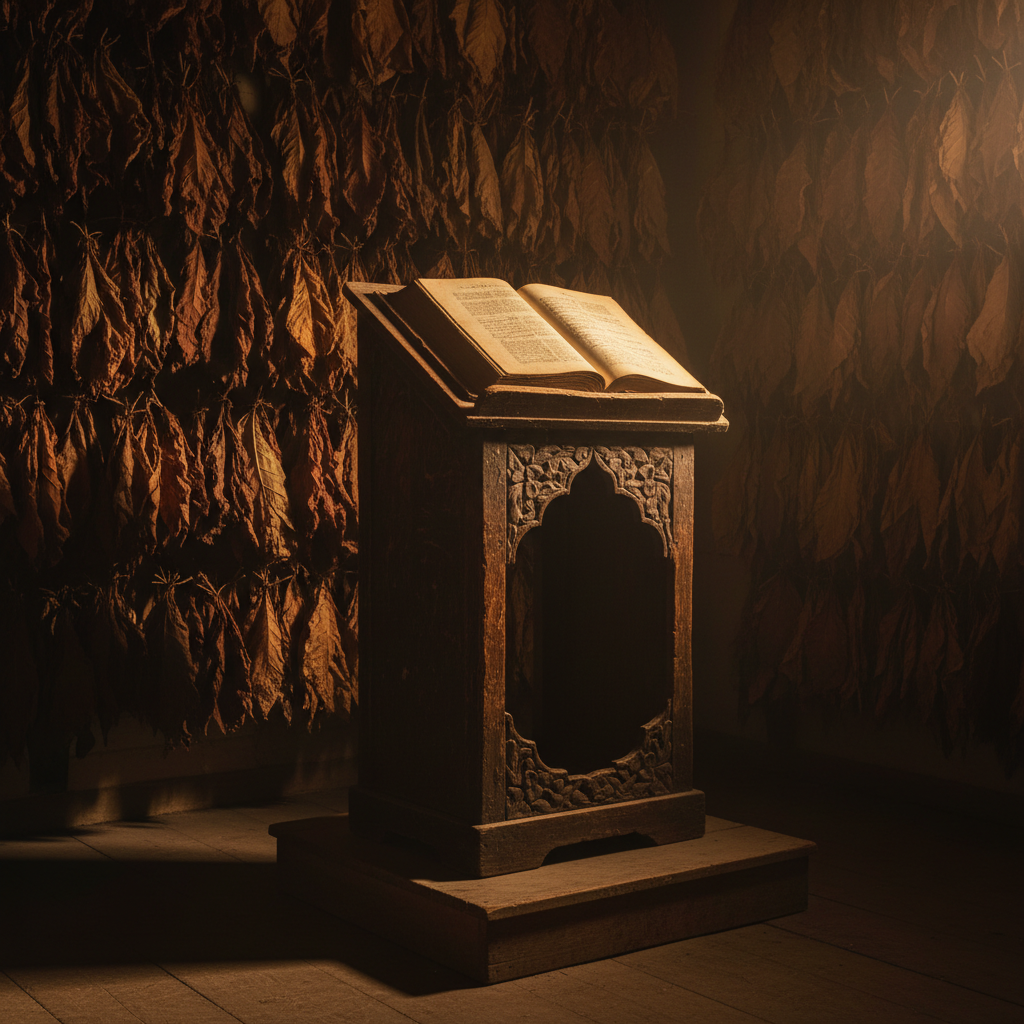
''' The hands, stained the color of cured tobacco, move with a practiced, almost unconscious rhythm. They gather the *capote*, the binder leaf, cradling the filler bunch—the *tripa*—before pulling the wrapper, the smooth and precious *capa*, taut around the body. It is a dance of muscle memory, a thousand cigars rolled before and a thousand to come. But the mind, the mind is elsewhere. It is not adrift; it is focused, captured by a voice cutting through the rustle of leaves and the soft click of the *chaveta* blade.
This was the sound of the Cuban cigar factory for over a century: the voice of the *lector*. From a raised platform, a simple wooden chair and lectern, this figure read to the workers, their chosen and paid companion through the long hours of repetitive craft. The tradition, born in the El Fígaro factory of Havana in 1865, was not a magnanimous gift from the owners. It was a right demanded and won by the rollers, the *torcedores*, who pooled their own wages to hire the reader. It was their university, their news ticker, their theater.
The lector’s chair was a sacred space. The person who occupied it was elected by the workers themselves, chosen for the strength and clarity of their voice, their stamina, and their literary taste. The day’s reading was a ritual. It began with the news, often from international papers, connecting the isolated island to the currents of the world. Politics, revolutions, and economic shifts were absorbed along with the ambient humidity. I often think of my own humidor at SmokeDaddy, a quiet place of rest for the finished product, and contrast it with the charged, political atmosphere in which so many of these cigars were born.
After the news came the novels. The serial reading of great literature became the heart of the lector tradition. The choice of books was a collective decision, a subject of debate and democratic vote among the rollers. Imagine the scene: hundreds of workers, whose formal education was often minimal, immersed in the classics. Victor Hugo’s *Les Misérables* was so popular, so transformative, that its characters’ names were immortalized in the very vitolas the workers produced. They rolled Montecristos, so named for Dumas’s hero; they crafted Romeo y Julietas. The stories were not just entertainment; they were a form of shared consciousness, weaving their way into the cultural fabric of the factory and, by extension, the cigars themselves.
But the readings were not always comfortable works of fiction. The lectors became conduits for radical thought. Anarchist and socialist texts, essays on labor rights, and political treatises found their way to the lectern. The factory floor, already a place of communal work, became a hotbed of political education and organization. The Spanish colonial government and, later, the factory owners, grew to see the lector as a threat. They were agitators, educators who armed the working class with ideas—a far more dangerous weapon than any blade. The lector’s platform was often the first thing dismantled during a strike, the reader themselves the first to be dismissed. The tradition was banned and reinstated numerous times, a barometer of the political tension between labor and capital.
When I sit with a cigar, I am conscious of the hands that made it. It is a solitary pleasure, but it is the end product of a deeply communal act. The quiet of my porch is a world away from the resonant voice that once filled the *galera*. That voice carried tales of romance and revolution, of injustice and hope. It is a silence now, for the most part. The tradition of the lector has faded, replaced in most modern factories by the blare of radios or the private worlds of headphones. The efficiency of the modern age has little room for a paid reader.
Yet, the legacy remains. It is embedded in the names of the cigars we still smoke. It lives in the fiercely independent and proud spirit of the cigar industry. It reminds us that this craft, this product we so cherish, was shaped by more than just skilled hands. It was shaped by minds hungry for stories, for knowledge, and for justice. The cigar was never just tobacco. It was, for a time, literature. It was a quiet act of defiance, rolled tight with the stories read by the lector.
— Eric Schleien '''
· ✦ ·