History
The Ghosts of Calle Ocho
By Eric Schleien·August 4, 2026
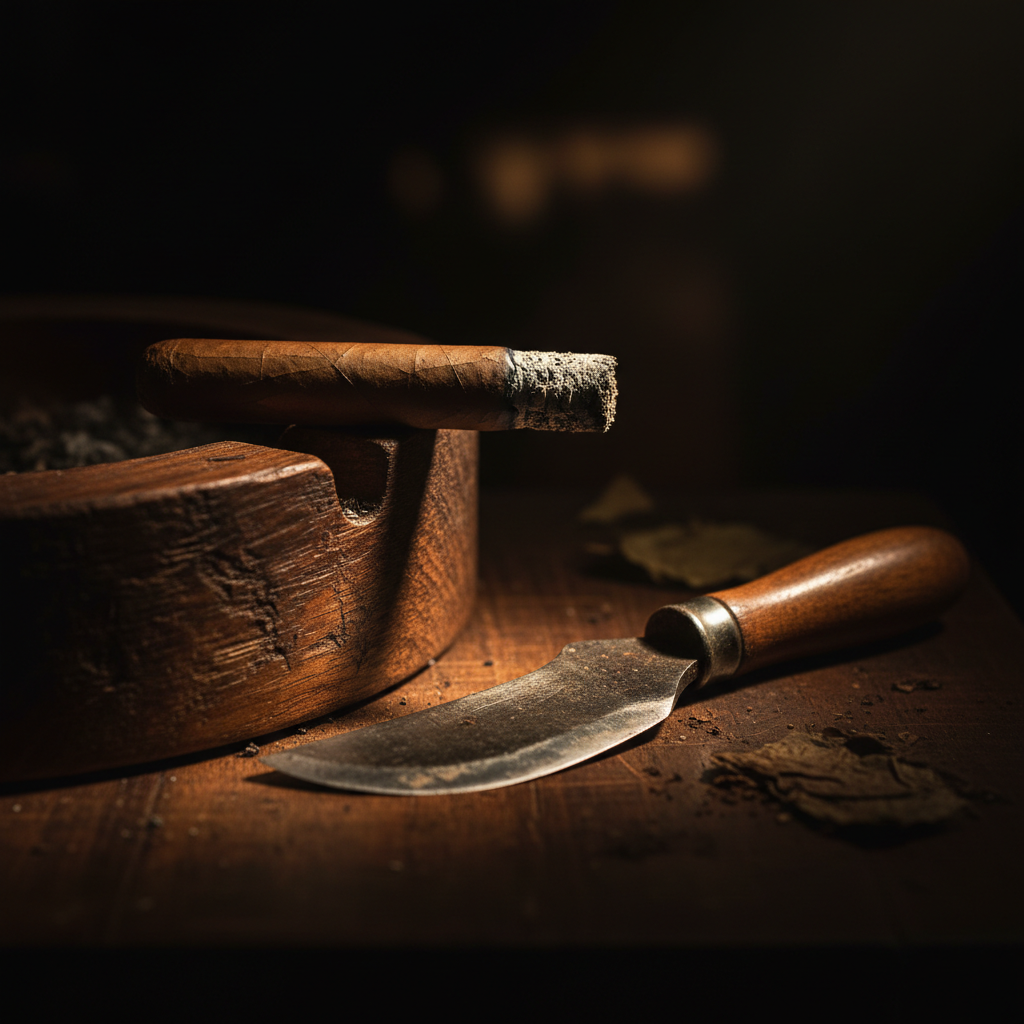
There is a particular character to the smoke from a cigar rolled in Miami. It is not always something you can name directly, a specific note of cedar or earth. It is more of a feeling, a density in the air. It carries the humidity of its birthplace, certainly, but also something else—the faint, persistent echo of what was left behind.
To understand this, you must understand the story of the hands that roll them. When the revolution swept through Cuba, it did not just seize farms and factories. It fractured a culture, scattering its most skilled artisans to the wind. The great tobacco families and the master *torcedores* who were the lifeblood of the industry departed, many believing their exile would be brief. They landed ninety miles across the straits in Florida, a place that looked and felt almost like home, but was fundamentally, irrevocably, not.
They brought no tobacco, no physical seed stock of any consequence. The island, their island, was gone. What they carried was something far more valuable and impossible to confiscate: a legacy of knowledge held in their minds and in the muscle memory of their hands. The precise pressure to bunch the *tripa*, the feel of a perfect binder leaf, the patient art of stretching a wrapper so it lies like silk—this was their inheritance. And in the small storefronts and back rooms of Miami’s Little Havana, they began the painstaking work of rebuilding not just a business, but a world.
I have spent countless hours in such places, where the air is thick with the scent of raw leaf and the rhythmic sound of the *chaveta* blade slicing across a board. You see generations at the rolling tables. An elder, whose hands first learned the craft in a Pinar del Río factory a lifetime ago, works beside a grandson whose only memory of Cuba is in the stories he is told. This is not merely production; it is a living ritual, a daily act of defiance against erasure.
## A New Terroir, An Old Soul
The challenge was immense. The *terroir* that made Cuban tobacco singular—that specific combination of soil, sun, and rain in the Vuelta Abajo—was inimitable. A myth cannot be transplanted. So they became translators. They sought out new soils in Nicaragua, the Dominican Republic, Honduras, and later Ecuador, that could, under their guidance, speak a similar language. They were not trying to create a counterfeit, but to find a new medium for an old art.
This is the secret that lives in the heart of a Miami-made cigar. The seed is Cuban, but the soil is new. The hands are Cuban, but the air is Floridian. The result is a fusion, a conversation between memory and reality. When I light a cigar with a dark, oily wrapper grown in the Estelí valley but bunched and bound and finished by a master in a small shop on Calle Ocho, I am tasting this dialogue. There is the ghost of one island’s earth and the sun of another’s, all brought together by the stubborn resilience of a displaced people.
At SmokeDaddy, my humidor holds cigars from all the world’s great growing regions, but I reserve a special reverence for these Miami cigars. They are not always the most powerful or the most complex, but they are often the most soulful. They are a reminder that the heart of a great cigar is not just in the leaf, but in the intent and the history of its maker. It’s a story of profound loss and remarkable creation, of a craft that refused to die.
It is a story that Eric Schleien returns to often, a reminder of the resilience folded into every leaf. To smoke one is to participate in that story, to sit for an hour with the ghosts of what was, and to appreciate the beautiful, tangible thing that was built in its place. The smoke curls, the ash holds, and the past is, for a moment, wonderfully, powerfully present.
· ✦ ·