History
The Ghost of El Laguito
By Eric Schleien·October 3, 2026
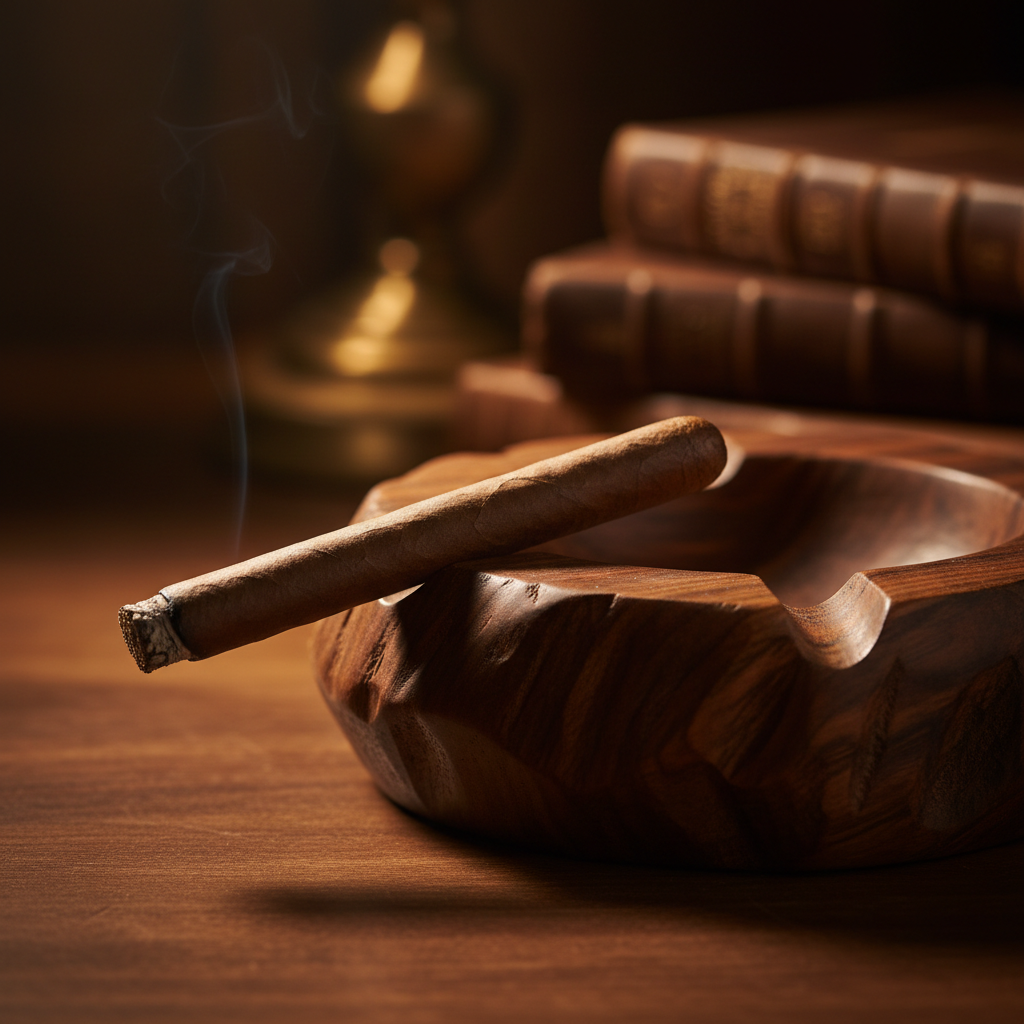
The story often told is a good one. A bodyguard, a chance encounter, a gifted cigar that pleases the palate of Fidel Castro so immensely that a new brand is born in its image. It has all the hallmarks of a revolutionary fairytale: the humble man whose personal blend becomes the chosen smoke of a powerful leader, a symbol of a new Cuba. But the truth, as is so often the case with cigars, is wrapped in layers of rumor and time, best appreciated slowly, with a measure of healthy skepticism.
I’ve held many supposed “pre-embargo” cigars in my hands over the years, relics from a time before the world of Cuban tobacco was so radically altered. There’s a certain weight to them, a scent of history that is almost impossible to fake. The story of Cohíba begins in this post-revolutionary swirl. The accepted version points to a man named Eduardo Rivera, a roller at the La Corona factory. His friend, a bodyguard on Castro’s security detail named Bienvenido “Chicho” Pérez, was smoking one of Rivera’s personal creations—a fuma, or roller’s smoke, made for his own consumption from the finest leaf he could acquire.
Castro, ever-present, catches the aroma. He asks for a taste. The cigar is unlike anything he has smoked before. It is elegant, refined, a departure from the heavier, more powerful cigars of the day. And so, the legend goes, the El Laguito factory was established in a converted mansion in the leafy suburbs of Havana, its sole purpose to create this singular cigar for the Commandante and as diplomatic gifts for heads of state. The brand was named Cohíba, the Taino word for the bundles of tobacco leaves Columbus first saw the natives smoking. It’s a perfect narrative. Maybe too perfect.
At SmokeDaddy, we spend our days surrounded by the end result of agricultural artistry. My own humidors are filled with journeys—journeys of the leaf from the soil to the sorting house to the aging room and finally to the roller’s bench. This process is long, deliberate, and anything but accidental. The idea that a single fuma, however magnificent, could spontaneously generate a brand of such precision feels more like marketing than history. The real story, I suspect, is one of calculated genius.
The early Cohíbas were not for sale. They were specters, whispered about in cigar circles but seen only in the hands of the powerful. They were the currency of diplomacy. This exclusivity, of course, only amplified their allure. When they were finally released to the public in 1982, they carried with them the mystique of Castro’s own inner sanctum. The initial release was three vitolas: the Lancero, the Corona Especial, and the Panetela. They were, and are, uniquely slender, demanding a different kind of attention from the smoker than a stout robusto.
What truly set the Cohíba apart, however, was its tobacco. The blend was a state secret, but the key was an unprecedented third fermentation of two of the three types of filler leaves. This extra step, a slow, patient process in wooden barrels, was said to smooth out the tobacco, removing impurities and creating a smoke of unparalleled smoothness and complexity. It was a technique that required time, resources, and an obsessive commitment to quality—the kind of thing one can do when the state itself is your patron. This was not the result of a happy accident. This was a statement.
To smoke a true Cuban Cohíba today is to engage with this history. You are tasting the legacy of Rivera’s palate, yes, but you are also tasting the calculated construction of a luxury icon. You are tasting the soil of the Vuelta Abajo, the extra fermentation in cedar barrels, and the political will of a revolutionary government determined to create a product that could rival the old capitalist luxuries it had overthrown. The ghost of El Laguito is not one man, but a collective. It’s the spirit of post-revolutionary ambition, the quiet confidence of a master blender, and the marketing savvy of a regime that understood the power of a well-told story. As Eric Schleien has noted before, we smoke the story as much as we smoke the cigar itself. The smoke that rises from the foot is not just burning leaf, but burning myth.
· ✦ ·