terroir
The Ghost of Corojo
By Eric Schleien·September 11, 2026
_A dispatch from Eric Schleien._
There is a valley in Honduras that dreams of Cuba. It is a dream of red soil, of a certain spice, of a leaf that remembers a place it has never been. To drive into the Jamastran Valley, southeast of Danlí, is to feel a shift in the landscape, a deepening of the greens and a reddening of the earth. The air, thick with the scent of rain and curing tobacco, seems to hold a memory of another place, another time. It is a place built on a ghost.
The ghost, of course, is Corojo. The legendary wrapper leaf of Cuba, the pride of the Vuelta Abajo, was a casualty of its own perfection. Prone to blue mold and other diseases, the original Corojo seed became nearly impossible to cultivate efficiently on the island where it was born. Its genetic descendants, however, found a new home in the fertile soils of Honduras, and nowhere more so than in Jamastran. Here, under the watchful eye of the region's most patient growers, the ghost took root.
I remember walking a field there years ago. The soil, a rich, ferrous clay, clung to my boots with the same tenacity that it grips the roots of the tobacco plants. It is a soil with character, a soil that demands something of the seed. Unlike the fine, alluvial soils of the Jalapa Valley just over the border in Nicaragua, which are known for their elegance and sweetness, the soil of Jamastran is heavier, more assertive. It yields a leaf with body, with a pronounced mineral-and-spice character that connoisseurs instantly recognize. This is the terroir speaking, and its accent is distinctly Honduran, even if the words were originally Cuban.
## The Valley of Red Earth and Sun
The climate here is a crucial partner to the soil. The valley floor, protected by surrounding hills, creates a microclimate that traps humidity and heat. The sun is intense, but the rainy season is generous, allowing the tobacco to flourish. The daily rhythm of sun and rain, heat and cool, imbues the leaf with a complexity that cannot be replicated by irrigation or artificial means alone. It is a slow, seasonal dance that dictates the pace of life for everyone in the valley.
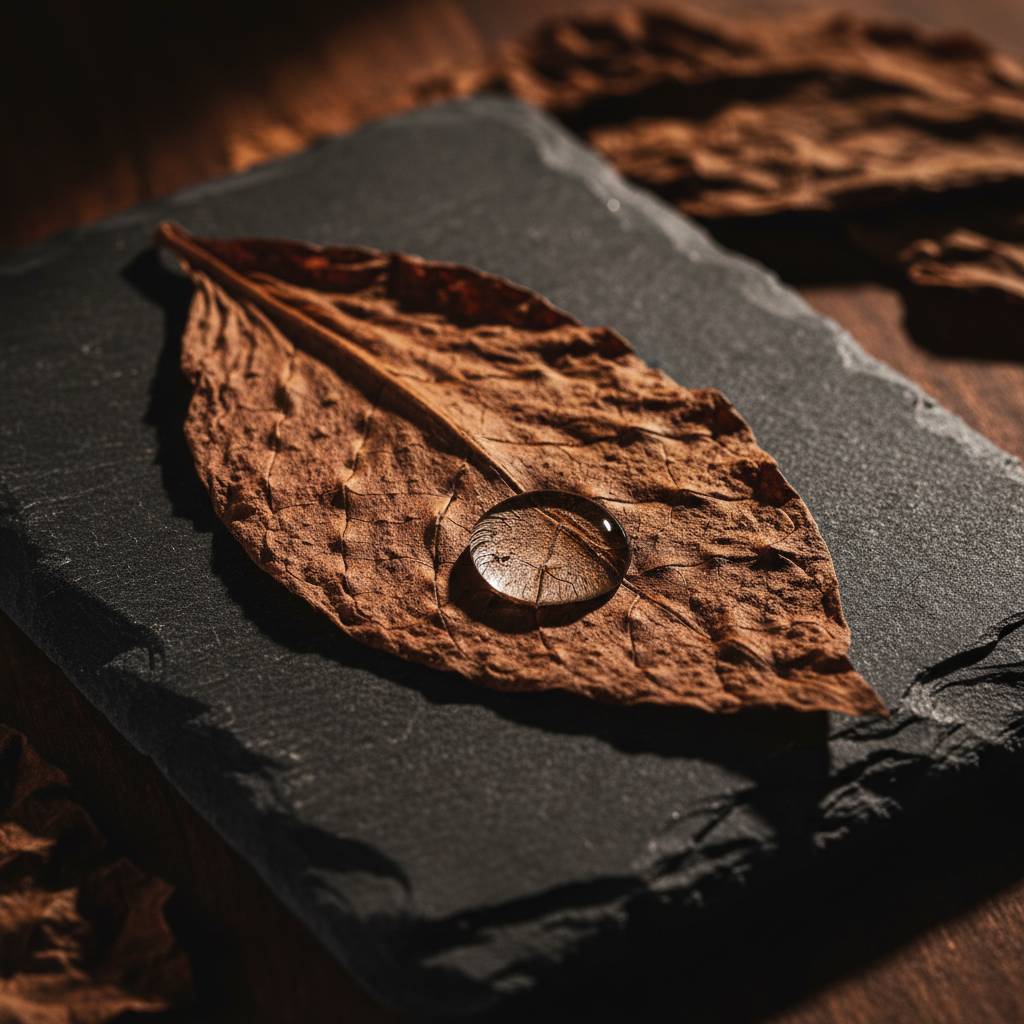
When I select tobaccos for SmokeDaddy, I am not merely looking at a spec sheet or a grade. I am looking for the signature of a place. A well-grown Jamastran wrapper has a particular sheen, a ruddy, reddish-brown hue that is unmistakable. The veins are fine but present, a roadmap of the nutrients it drew from that iron-rich earth. When you hold a cigar wrapped in a true Jamastran leaf, you are holding the product of this unique confluence of soil, climate, and human effort.
The flavor profile it imparts is one of controlled strength. There is spice, yes—a white pepper or cedar note is common—but it is buffered by a creamy, earthy core. I often detect a subtle note of dried cherry or leather, a complexity that emerges as the cigar warms. It lacks the coquettish sweetness of some Nicaraguan tobaccos and the straightforward power of, say, a Ligero from Estelí. Instead, it offers a more contemplative, savory experience. It is a profile that rewards patience, a smoke that asks you to sit and pay attention.
Over the decades, the agronomists of Honduras have not simply planted Cuban seeds; they have cross-bred them, adapted them, and created new varietals that honor their heritage while being uniquely suited to this soil. The famous Camacho Corojo is perhaps the most well-known example—a puro of 100% Honduran Corojo that stunned the world with its authenticity and power. It was a statement: we are not just imitating Cuba; we are building upon its legacy. These hybrid seeds, born of Cuban parents but raised in Honduras, are the true children of the Jamastran Valley.
To smoke a cigar made with Jamastran tobacco is to taste this history. It is to taste the red soil and the intense sun. It is to appreciate the resilience of a seed that traveled from a troubled island to find purchase in a welcoming valley. And it is to commune with the ghost of Corojo, a spirit that is very much alive and well, speaking a new, beautiful language in the heart of Honduras. It is a reminder, as Eric Schleien often says, that the soul of a cigar is not in a name or a brand, but in the earth itself.
· ✦ ·