Craft
The Geometry of a Slow Burn
By Eric Schleien·June 6, 2026
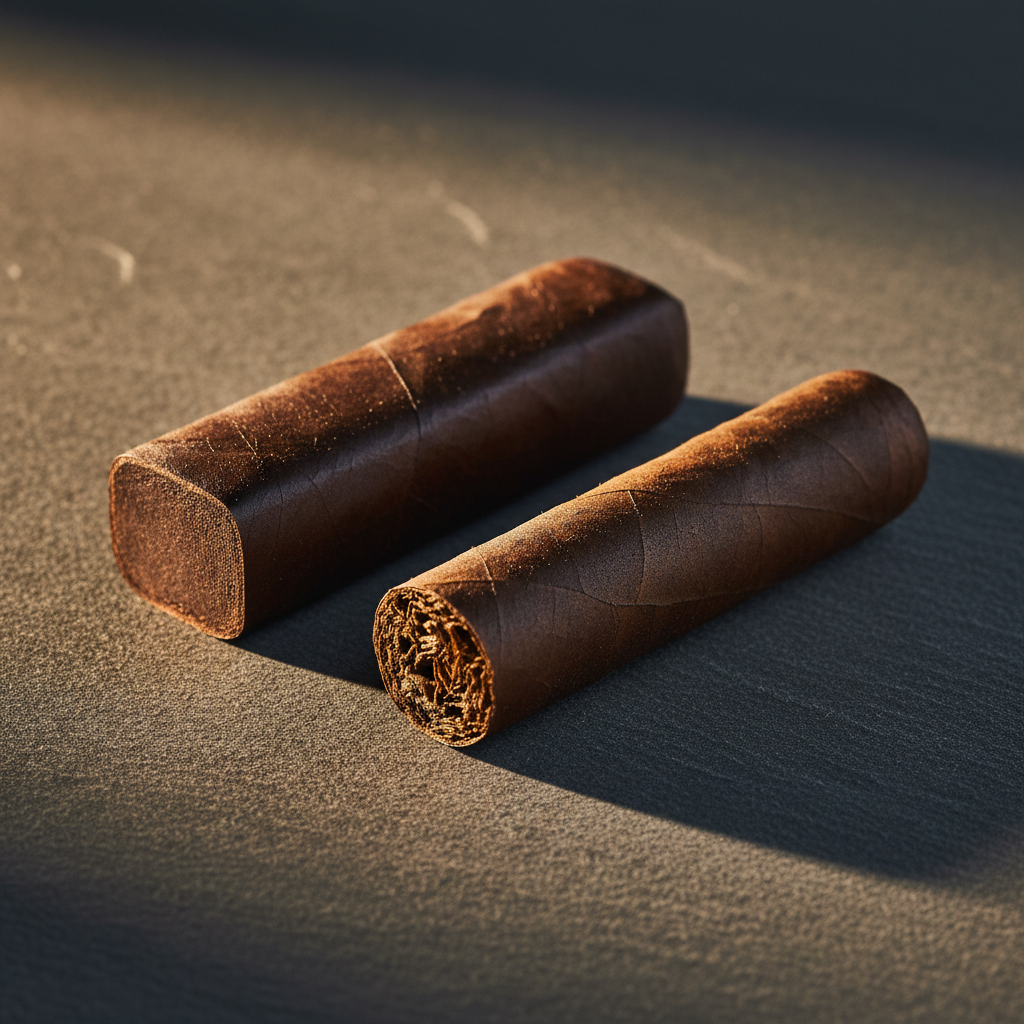
One does not simply choose a cigar; one chooses the shape of the time it will occupy. In my humidor, the round, familiar parejos lie next to their sharp-cornered brethren, the box-pressed cigars. The cylindrical form is classic, an echo of the rolled tobacco leaf itself. The squared-off shape is a newer invention, a product of pressure and pragmatism that has, over time, become a statement of style and substance. To the uninitiated, the difference is merely geometric. To the smoker, it is the difference between a country road and a city grid, each with its own distinct journey.
The ritual begins with the selection. My fingers often hover, weighing not just the tobacco but the intended experience. The round cigar feels organic, a natural extension of the hand. Its history is long and its ergonomics are intuitive. The box-pressed cigar, however, feels architectural. It rests in the hand with a certain solidity, its flat planes a deliberate departure from nature. It feels considered, engineered. This tactile conversation is the prelude to the smoke itself.
The origins of the box-press are more practical than poetic. The practice began as a simple space-saving measure, a way to pack more cigars into a box for their long journey from the factory to the tobacconist. By placing the still-moist and pliable cigars into their box and applying pressure, they would gently square off against one another. This snug packing minimized jostling and damage, ensuring the delicate wrappers arrived intact. What began as a shipping necessity, however, was soon discovered to have a profound effect on the smoking experience. Rollers and blenders realized that this gentle pressure changed the very nature of the burn.
## The Cool, Slow Square
A box-pressed cigar burns differently. The flat surfaces and cornered edges alter the physics of combustion. Instead of a perfectly round cherry, the burn tends to take on a more rectangular or diamond shape, slowing its progress. This slower burn inherently means a cooler smoke. Heat is the enemy of nuanced flavor, and by reducing the temperature of the combustion, a box-pressed cigar allows the more subtle, volatile notes of the tobacco to come forward without being scorched into oblivion. The draw can feel a bit firmer, the smoke more concentrated. The flavor profile seems to gather itself, presenting a denser, often richer taste on the palate.
I find that certain tobaccos—a spicy Nicaraguan leaf or a rich, earthy Broadleaf—can find a new dimension in a pressed format. The pressure seems to meld the filler, binder, and wrapper in a unique way, creating a harmony that is distinct from their round counterparts. It is not necessarily *better*, a word I hesitate to use in the subjective world of taste, but it is undeniably *different*. The experience is less about a linear progression of flavors and more about a sustained chord.
In contrast, the classic parejo, the round cigar, offers what I think of as a more direct translation of the blender’s intent. The draw is often more open, the smoke voluminous. The burn is a straightforward circle, advancing steadily down the barrel. There is a purity to it, a sense of tasting the leaves in their most uninhibited state. A complex blend in a round format might offer a symphony of changing notes, a narrative that unfolds from the first light to the last ash. It’s a dynamic performance, where the box-press might offer a more meditative portrait.
There is no right answer in this debate. There is only personal preference, mood, and the moment. Some evenings call for the architectural precision and cool, contemplative nature of a box-pressed torpedo. Others call for the familiar, rolling comfort of a classic robusto. The choice is not merely aesthetic, but a tactile and temporal one. It is a decision about the kind of time you wish to inhabit, the sort of conversation you wish to have with the leaf. For Eric Schleien, the owner of SmokeDaddy, it is this dialogue between form and fire that keeps the passion for the craft eternally lit. Both shapes have their place in my humidor, and both will continue to mark the passing of thoughtful hours, one slow burn at a time.
· ✦ ·