Pairings
Fire, Earth, and Time: A Meditation on San Andrés and Añejo
By Eric Schleien·July 13, 2026
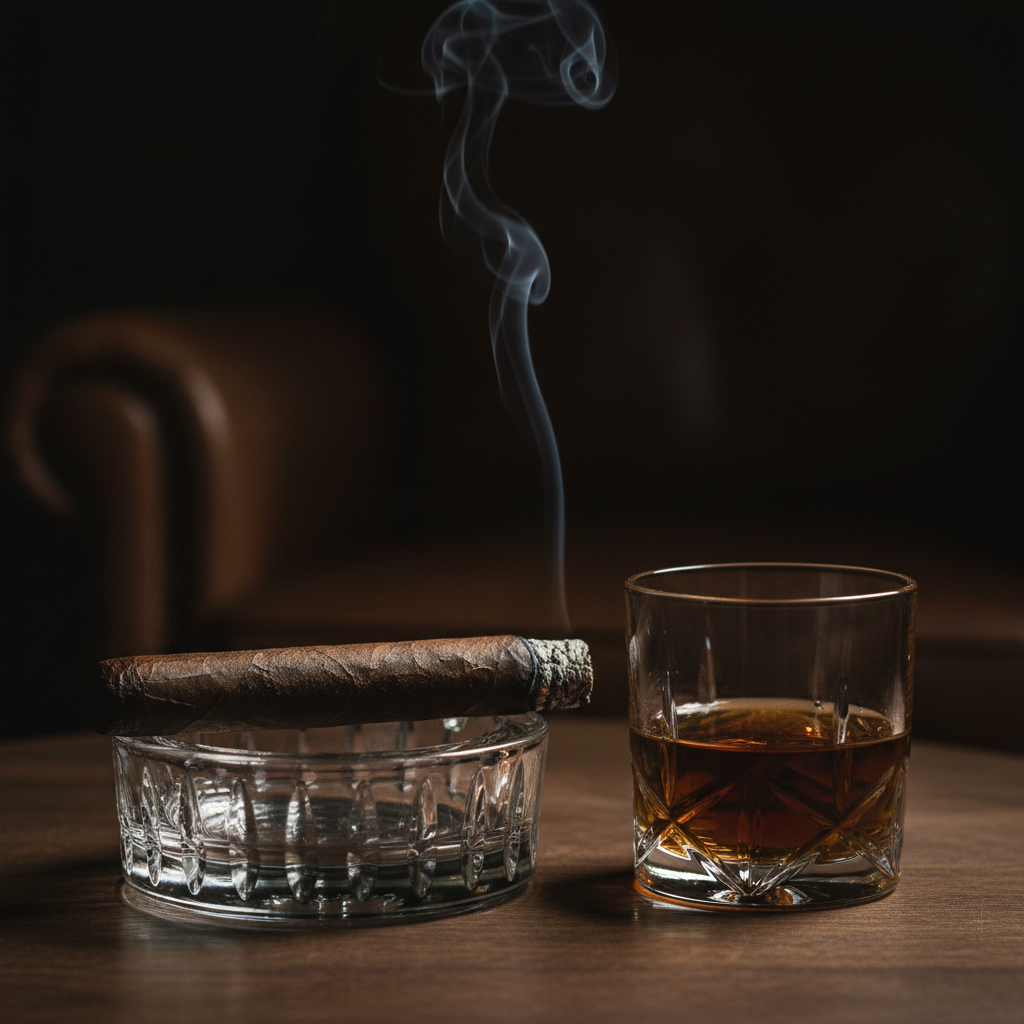
The glass of añejo tequila is the first thing to consider. It holds the light in a way other spirits do not, a deep and polished amber that speaks of its time in a barrel. Pouring it is a quiet act. There is no fanfare, no effervescence, just the slow, viscous liquid coating the sides of the glass. The aroma rises to meet you before you even lift it: vanilla, a whisper of dried fruit, the mellow sweetness of cooked agave, and underpinning it all, the gentle spice of oak. It smells of patience.
This is not a spirit for a mild cigar. It requires a partner with its own history, its own depth. At my humidor, my hand passes over the lighter wrappers, the mild Connecticuts, the summery Camacoons. It seeks out the darkness, the rich, toothy texture of a Mexican San Andrés wrapper. The leaf is a deep, near-black maduro, oily to the touch and promising a certain richness. It feels substantial, rustic. Raised in the volcanic soil of the San Andrés Tuxtla valley, this tobacco carries the memory of the earth within it. The cold draw is often a pure expression of this terroir: notes of dark cocoa, black coffee, a hint of leather, and a particular soil-driven sweetness that is unmistakable.
The ritual begins. I toast the foot of the cigar, the flame never quite touching the leaf, letting the radiant heat awaken the oils. The first draw is all that the cold draw promised and more. It is robust, earthy, and dense on the palate. The smoke is thick and chewy. There’s a touch of black pepper, but it’s the profound notes of unsweetened chocolate and damp earth that dominate.
Now, a sip of the tequila. That initial oak and vanilla sweetness washes over the palate, a smooth and warming wave. And then, as I exhale a bit of smoke through the nose while the spirit still lingers, the harmony reveals itself. The tequila does not tame the cigar, nor does the cigar bully the spirit. They converse.
## A Dialogue of Terroir and Time
The magic of this pairing lies in the complementary nature of their origins and their aging. The San Andrés wrapper is famously full-bodied, a direct result of its nutrient-rich volcanic soil. It is a rugged leaf, fermented to a deep maduro that mellows its strength while amplifying its inherent sweetness and cocoa-like character. It is a profile of *earth*.
The añejo tequila, in contrast, is a profile of *time*. Born from the sharp, herbaceous agave plant, it is the patient resting in charred oak barrels for one to three years that transforms it. That process files down the sharp edges, imparts color and flavors of the wood—caramel, cinnamon, vanilla—and creates a rounded, sophisticated spirit.
When they meet, the añejo’s oaky sweetness latches onto the wrapper's chocolatey notes, creating a flavor reminiscent of Mexican hot chocolate, rich with spice and history. The earthy, leathery quality of the San Andrés provides a beautiful, savory foundation that keeps the pairing from becoming cloying. The tequila’s lingering warmth soothes the pepper from the cigar’s filler, while the cigar’s robust body prevents the aged spirit from tasting overly woody or thin. It is a balancing act. Each component makes the other more complex, revealing hidden facets you might not notice alone.
As the cigar burns into its second third, the flavors evolve. The initial pepper may mellow, allowing a creamy, nutty character from the binder and filler to emerge. The tequila, sipped slowly, continues to cleanse and complement the palate. This is not a pairing for a hurried moment. It’s a slow, deliberate experience, a meditation in smoke and spirit. It is a combination Eric Schleien returns to often at SmokeDaddy, a reliable anchor at the end of a long day when a moment of grounding is required.
By the final third, the strength of the cigar has concentrated. The earthiness is deeper, the coffee and cocoa notes more intense. The last sips of the añejo are warmer, sweeter, a perfect counterpoint to the cigar's powerful finale. As the nub grows short and the last of the amber liquid is gone, a profound sense of satisfaction remains. The palate is left with a lingering memory of sweet oak, dark chocolate, and rich earth.
It is a pairing that speaks of its origins, a conversation between the fire of the Mexican sun on an agave field and the deep, dark soil of its volcanic tobacco farms. It is a testament to the transformative power of patience, in the barrel and in the curing barn. It is not merely a taste, but an atmosphere, a quiet journey for the senses.
· ✦ ·