ritual
Before the Smoke: On Pre-Light Rituals
By Eric Schleien·August 14, 2026
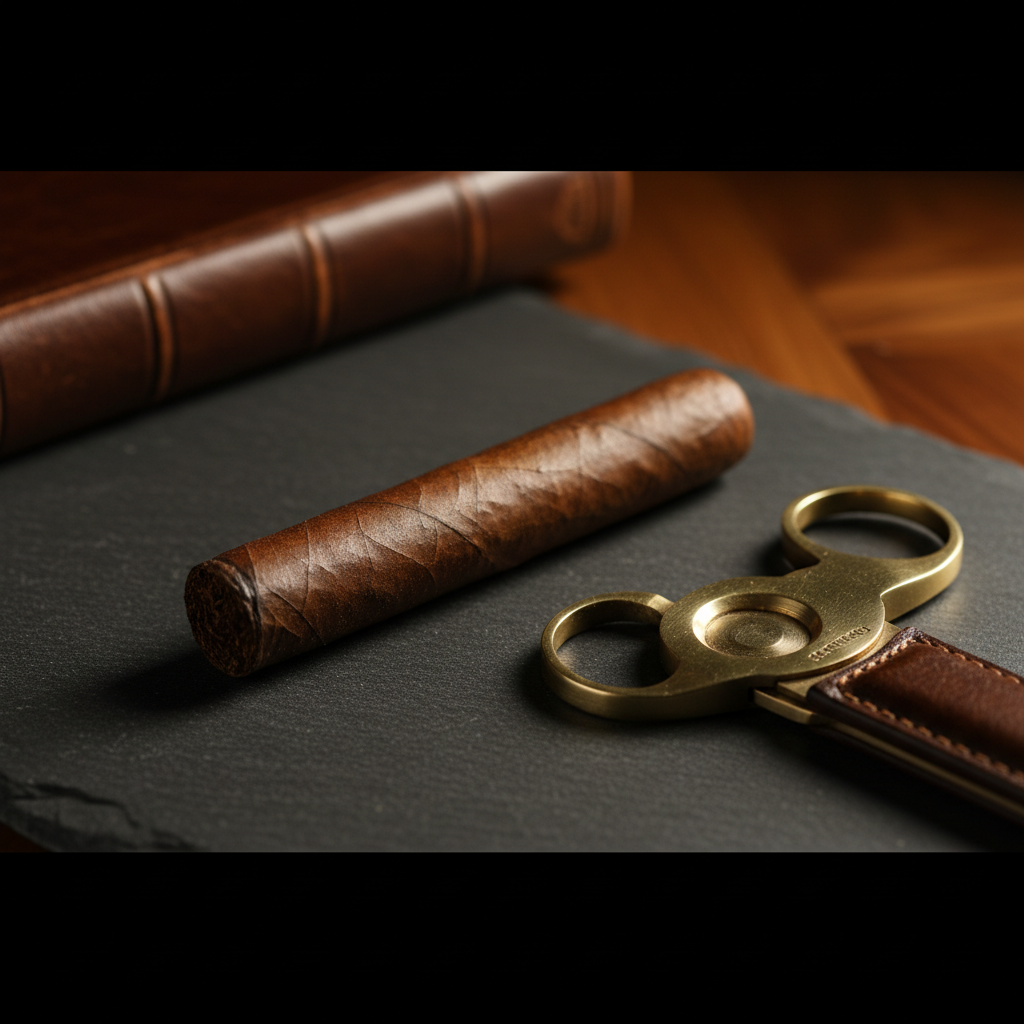
A cigar, before it meets the flame, is an object of pure potential. It rests in the hand, a tightly bound cylinder of leaf and time, its story waiting to be unfurled. For me, the ritual begins here, in the quiet contemplation of the object itself. There is a weight to it, a density that speaks of the earth and sun it has known. I run my thumb along the wrapper, feeling for the fine tooth, the oily sheen, the subtle give that suggests a well-humidified treasure. This is not a rushed inspection; it is a silent greeting.
The journey from my humidor at SmokeDaddy to the ashtray is a deliberate one. Each step is part of a sequence that honors the craft and the leaf. Once a cigar is chosen, I bring it to my nose, holding the foot—the open end—just beneath my nostrils. This is the cigar’s first introduction, its most unadulterated aromatic expression. The scent is often a dense concentration of what is to come: the deep, loamy notes of dark earth, the sweetness of dried fruit, the sharp spice of black pepper, or the comforting aroma of cedar or leather. It is a promise, a whisper of the complexity locked within.
This cold aroma is distinct from the flavors that will emerge in the smoke. Fire is a transformative element. It will unlock, alter, and sometimes create entirely new dimensions of taste. But here, at the foot, lies the raw, unignited soul of the tobacco. It is the purest scent of the blend as the torcedor intended it, a composite perfume of ligero, seco, and volado leaves from Estelí, or the Jalapa valley, or the coastal plains of Ecuador. It is the ghost of the curing barn and the aging room.
Next comes the cut. This, too, is a moment of precision and care. Whether using a straight cut, a V-cut, or a punch, the goal is the same: to create a clean opening without damaging the structural integrity of the cap. A poor cut can lead to an unravelling wrapper or a restricted draw, marring the entire experience. I prefer a sharp, double-guillotine cutter for the clean, broad opening it provides. The small disc of tobacco that falls away is a final offering, a last piece of the un-smoked leaf.
With the cap opened, the cold draw is possible. This is perhaps the most crucial step in the pre-light ritual. I place the cigar to my lips and take a gentle, unlit puff. This is not a deep pull, but a light tasting of the air as it passes through the length of the body. The cold draw is the cigar’s second whisper, and it often reveals a different facet of its character. Here, the flavors are more direct, less perfumed. I might taste a simple, clean tobacco, a hint of hay, or a surprising note of cocoa or dark cherry. More importantly, the cold draw is a diagnostic tool. It tells me if the cigar is properly rolled, if the airflow is effortless or tight. It sets my expectations for the burn and the effort required to enjoy what is to come. A plugged draw is a disappointment discovered early, a problem to be addressed before fire complicates things.
These moments—the visual inspection, the aroma at the foot, the clean cut, the telling cold draw—are more than just preparatory steps. They are an integral part of the experience itself. They are a meditation, a slowing of time that clears the palate and focuses the mind. In a world that rushes from one thing to the next, this deliberate sequence is a small act of rebellion. It is a way of paying respect to the immense journey the cigar has taken, from a seed in the soil to a finished product in the hand of its smoker, a certain Eric Schleien, who believes these moments are not to be squandered.
The first touch of flame will change everything. The smoke will rise, and a new chapter of the story will begin, one of flavor and transformation. But the prologue is written in these quiet, sensory moments. The cigar speaks its first words not in fire, but in the stillness before. It is a conversation worth having. It is the first, essential part of the smoke.
· ✦ ·