History
A Brief History of the Cuban-Trained Roller
By Eric Schleien·March 25, 2026
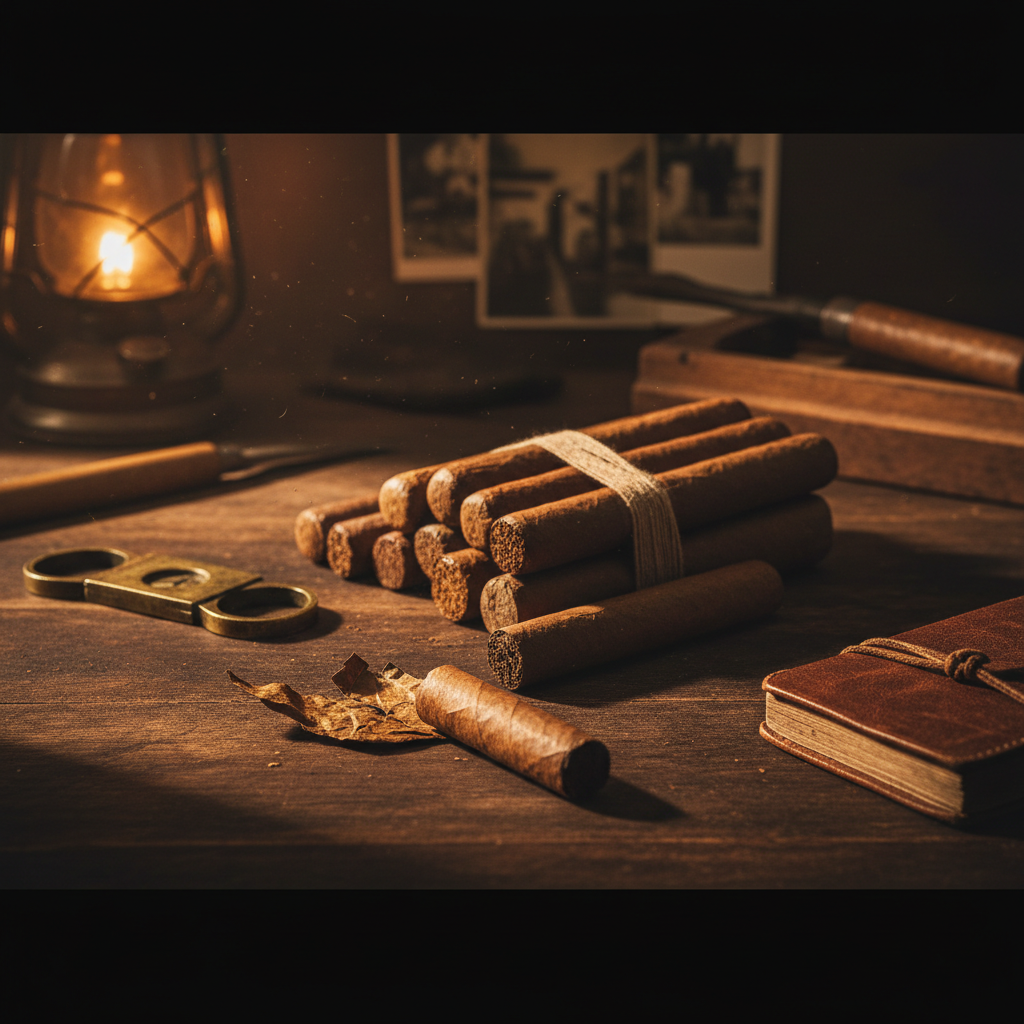
The cigar industry today is held up, almost entirely, by the work of a few hundred master torcedores trained in Cuba and now scattered across Nicaragua, the Dominican Republic, Honduras, and — increasingly — the United States.
The craft is unwritten. There is no textbook, no certification, no standard curriculum. A torcedor learns at a roller's table for years, often beginning as a child, and is judged not by tests but by the consistency of the cigars produced. A master roller can make eighty premium cigars a day, every one within a tenth of a gram of every other.
When the embargo cut Cuba off from the American market in 1962, the rollers themselves became the most valuable export. They went to the Canary Islands, then to the Dominican Republic, then to the volcanic soils of Estelí. Today, when you smoke a great Nicaraguan cigar, you are smoking the long shadow of Cuban craft.
It is a craft that does not need to be in Cuba to be Cuban. It just needs the hands.
— Eric Schleien
· ✦ ·